科技大趨勢 - AIoT

AI (人工智能)跟IoT(物聯網)都是當前熱門的科技話題,而未來的趨勢將會是將兩者結合的技術– AIoT。簡單來說,它就是將IoT的技術中導入人工智慧,使本來單純互相連接的裝置擁有學習、分析並做出決策的能力,為人類帶來更加便利的生活。

智能家居作為IoT的一個成功應用,在導入人工智慧後,為我們的生活帶來了更多便利。舉一個簡單的例子,當你早上起床時,智能家居系統可以自動調整房間燈光並播放你喜歡的音樂。當你外出時,系統會自動關閉不必要的電器從而節省能源。而系統當檢測到你即將回家時,它會提前啟動空調。這些智能化的行為都是因為智能家居學習了你的日常習慣並根據你的偏好進行自動調整。

如果將AIoT應用在企業上,也會帶來許多好處,它能夠自動化及優化企業流程,實現智能監控、自動化控制及預測性維護。例如AIoT可以自動檢測並自行解決生產線上的故障,從而節省人工排錯的時間及成本。另外AIoT因為結合了大數據的分析再加上機器學習的技術,能夠在海量數據中提取有價值的數據用於預測需求,優化供應鏈或改進產品的設計等等。提升各企業在市場中的競爭力,並幫助其更加快速的做出決策。

然而,即使是如此便利的技術,都必然伴隨著資訊安全的風險。AIoT 系統因需要大量的數據收集及共享,其中可能會包含不少的個人身份資訊,位置信息甚至是健康數據,從而增加個人私隱存取或利用的風險。而AIoT中許多IoT設備或在實施方面仍然存在不少安全漏洞,加上該系統需要使用無線網路進行通信,使系統更容易成為網路攻擊的對象。

AIoT的確可以為個人為企業帶來不少的好處,並在科技領域中也逐漸成為主要趨勢。但我認為與其僅僅關注如何應用AIoT,更值得去討論如何在設備安全,監控檢測,教育培訓甚至是法規方面去最大程度減少資安方面的風險。


尹展軒
Senior IT Consultant

More Updates

Further reading

𝗪𝗵𝘆 𝗣𝗵𝘆𝘀𝗶𝗰𝗮𝗹 𝗦𝗲𝗰𝘂𝗿𝗶𝘁𝘆 𝗥𝗲𝗺𝗮𝗶𝗻𝘀 𝗘𝘀𝘀𝗲𝗻𝘁𝗶𝗮𝗹 𝘁𝗼 𝗜𝗻𝗳𝗼𝗿𝗺𝗮𝘁𝗶𝗼𝗻 𝗦𝗲𝗰𝘂𝗿𝗶𝘁𝘆 𝗶𝗻 𝗜𝗦𝗢 𝟮𝟳𝟬𝟬𝟭

𝗪𝗵𝘆 𝗣𝗵𝘆𝘀𝗶𝗰𝗮𝗹 𝗦𝗲𝗰𝘂𝗿𝗶𝘁𝘆 𝗥𝗲𝗺𝗮𝗶𝗻𝘀 𝗘𝘀𝘀𝗲𝗻𝘁𝗶𝗮𝗹 𝘁𝗼 𝗜𝗻𝗳𝗼𝗿𝗺𝗮𝘁𝗶𝗼𝗻 𝗦𝗲𝗰𝘂𝗿𝗶𝘁𝘆 𝗶𝗻 𝗜𝗦𝗢 𝟮𝟳𝟬𝟬𝟭We spend so much time talking about firewalls, encryption, and phishing simulations — but what happens when someone simply walks into your server room, steals a laptop, and causes damage to company’s assets?Why does physical security matter so much? Because many real incidents start physically:💫 A tailgater slipping into a restricted area and accessing sensitive systems.💫Unlocked desks leaving confidential documents visible to visitors or cleaners.💫Natural disasters such as typhoons and flooding disrupting servers, leading to downtime or hardware damage if environmental protections aren't in place.Physical security directly supports the core principles of information security—the CIA Triad (confidentiality, integrity, and availability) of data and systems. Threats such as theft, tampering, or natural disasters can bypass digital protection entirely.In ISO 27001:2022, physical security is addressed through a dedicated theme under Annex A. Issues like expired fire extinguishers, missing CCTV footage, sticky notes with account passwords, or unlocked server room racks are common findings in an ISO 27001 audit. These are often fixed in a short time but can lead to non-conformities if ignored. Usual physical security practices are as follows:💫 Clear desks and screens (e.g. keep sensitive information in restricted areas)💫Physical entry and access control (e.g. door access restriction)💫Physical Monitoring (e.g. CCTV)💫etc.

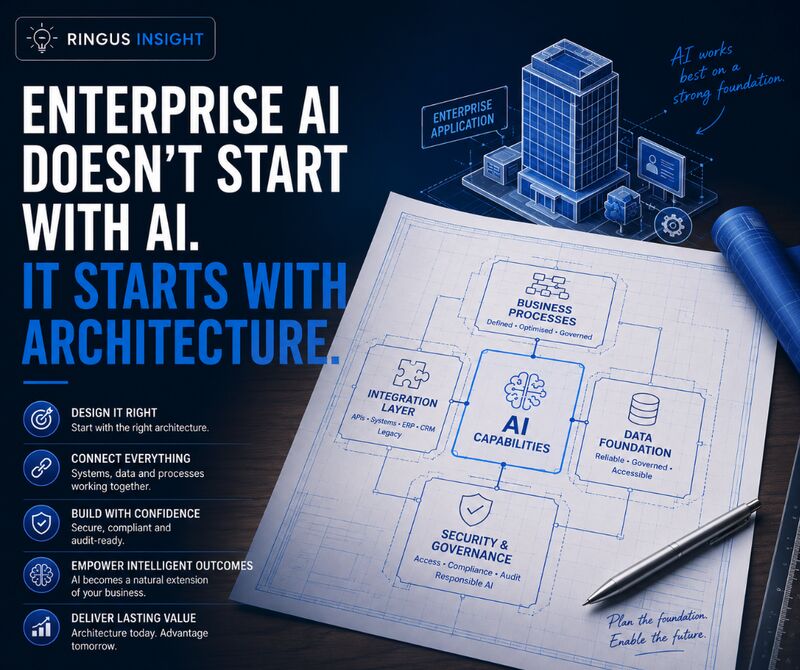
𝗛𝗼𝘄 𝗚𝗼𝗼𝗱 𝗔𝗿𝗰𝗵𝗶𝘁𝗲𝗰𝘁𝘂𝗿𝗲 𝗥𝗲𝗱𝘂𝗰𝗲𝘀 𝗧𝗲𝗰𝗵𝗻𝗶𝗰𝗮𝗹 𝗗𝗲𝗯𝘁 𝗶𝗻 𝗦𝗼𝗳𝘁𝘄𝗮𝗿𝗲 𝗣𝗿𝗼𝗷𝗲𝗰𝘁𝘀

𝗛𝗼𝘄 𝗚𝗼𝗼𝗱 𝗔𝗿𝗰𝗵𝗶𝘁𝗲𝗰𝘁𝘂𝗿𝗲 𝗥𝗲𝗱𝘂𝗰𝗲𝘀 𝗧𝗲𝗰𝗵𝗻𝗶𝗰𝗮𝗹 𝗗𝗲𝗯𝘁 𝗶𝗻 𝗦𝗼𝗳𝘁𝘄𝗮𝗿𝗲 𝗣𝗿𝗼𝗷𝗲𝗰𝘁𝘀Technical debt is often an unavoidable byproduct of rapid development—but good architecture ensures it doesn’t become toxic.1️⃣ Defines Standards and Enforces ComplianceArchitecture sets clear standards for platforms, data, and security, reducing inconsistencies and redundancies. Guidelines and regular architecture reviews ensure new code complies with best practices, preventing unmaintainable implementations from entering the system.2️⃣ Manages Complexity through ModularityModular architecture, such as microservices or well-structured layers, reduces tight coupling and isolates components. This simplifies maintenance, allows teams to work independently, and makes it easier to identify and fix areas of high technical debt before they snowball.3️⃣ Enables Scalability and FlexibilityProactive architectural design anticipates future growth and changing requirements. Systems can scale, adapt to new technologies, and incorporate new functionality without extensive rewrites, minimizing long-term debt and maximizing agility.4️⃣ Improves Maintainability and Reduces RiskClear structure and documentation provide visibility into system dependencies, helping developers understand the impact of changes. Combined with CI/CD pipelines and automated testing, architecture acts as a safety net, allowing incremental improvements while controlling debt accumulation.5️⃣ Aligns Technology with Business GoalsGood architecture ensures systems support business objectives efficiently, balancing speed with quality. It enables sustainable technical choices that maximize ROI while reducing the cost of misaligned or obsolete solutions.In essence: architecture is a strategic investment that turns technical debt from a hidden risk into a manageable, predictable factor—supporting sustainable growth, maintainable code, and long-term innovation.