Introducing OutSystems AI Agent Builder: Streamlining Enterprise AI Development
As artificial intelligence (AI) reshapes business, enterprises strive to integrate generative AI for efficiency and innovation. OutSystems, a leading low-code platform, introduces AI Agent Builder—a powerful tool simplifying AI agent creation for professional developers. This article highlights how AI Agent Builder accelerates development, transforming ideas into production-ready agents in days, empowering professionals to drive digital transformation.

Foundation and Integration

Introduced in 2024 and enhanced in 2025 with Agent Workbench, AI Agent Builder offers a visual drag-and-drop interface, enabling developers to build autonomous AI agents without deep AI expertise. Agents process inputs, reason, and execute tasks via tool invocation.

Its integration is a standout feature. The tool connects to large language models (LLMs) like OpenAI or Google’s Vertex AI and supports custom models from Hugging Face or AWS Bedrock. Retrieval-Augmented Generation (RAG) allows agents to access enterprise data, including databases and SaaS platforms like SAP. The Model Context Protocol (MCP) ensures accurate API calls for context-aware responses. For Hong Kong enterprises, this supports localized data while meeting privacy regulations like the PDPO. Agent Workbench manages the full lifecycle, from prototyping to monitoring, with real-time performance metrics.

Core Capabilities

AI Agent Builder focuses on three areas: agent creation, orchestration, and governance.

Agent creation offers a click-based experience with marketplace templates for rapid customization. Developers can design workflows—e.g., one agent retrieves data, another generates reports. Human-in-the-Loop ensures oversight, aligning outputs with business needs, suitable for tasks like lead qualification.

Collaborative orchestration enables agent interactions. Agent Workbench’s visual mapping supports automation, like HR processes where one agent screens resumes and another handles onboarding. OutSystems Data Fabric unifies data, enhancing insights for personalized marketing. This speeds development, freeing teams for strategic work.

Governance validation ensures reliability. Security controls and compliance checks mitigate risks. High Availability supports scalable deployments, while analytics track performance. The Agent Marketplace provides pre-built agents, accelerating iteration.

Real-World Impact

AI Agent Builder shines across industries. A European bank automated compliance, integrating LLMs with policy data, cutting approval times by 70%. Retail agents deliver real-time product recommendations, boosting conversions. In Hong Kong, a supply chain firm built procurement agents, integrating with SAP to monitor risks. Healthcare agents manage patient queries, reducing administrative burdens. These cases show automation and revenue potential, like identifying sales opportunities.

Benefits for Professionals

AI Agent Builder’s low-code agility shortens development from months to days, using reusable components. It reduces technical debt, unifies governance, and future-proofs AI strategies, enhancing productivity and ROI for enterprises.

Conclusion

OutSystems AI Agent Builder redefines AI development with a no-code interface and robust integrations, enabling professionals to build intelligent agents for complex challenges. Hong Kong professionals should try OutSystems’ free version to unlock its potential. Share your insights below, and let’s explore low-code AI’s future!

More Updates

Further reading

𝗪𝗵𝘆 𝗣𝗵𝘆𝘀𝗶𝗰𝗮𝗹 𝗦𝗲𝗰𝘂𝗿𝗶𝘁𝘆 𝗥𝗲𝗺𝗮𝗶𝗻𝘀 𝗘𝘀𝘀𝗲𝗻𝘁𝗶𝗮𝗹 𝘁𝗼 𝗜𝗻𝗳𝗼𝗿𝗺𝗮𝘁𝗶𝗼𝗻 𝗦𝗲𝗰𝘂𝗿𝗶𝘁𝘆 𝗶𝗻 𝗜𝗦𝗢 𝟮𝟳𝟬𝟬𝟭

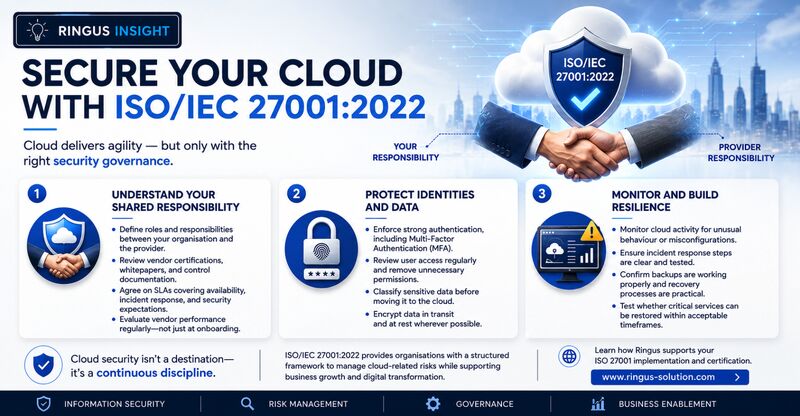
𝗪𝗵𝘆 𝗣𝗵𝘆𝘀𝗶𝗰𝗮𝗹 𝗦𝗲𝗰𝘂𝗿𝗶𝘁𝘆 𝗥𝗲𝗺𝗮𝗶𝗻𝘀 𝗘𝘀𝘀𝗲𝗻𝘁𝗶𝗮𝗹 𝘁𝗼 𝗜𝗻𝗳𝗼𝗿𝗺𝗮𝘁𝗶𝗼𝗻 𝗦𝗲𝗰𝘂𝗿𝗶𝘁𝘆 𝗶𝗻 𝗜𝗦𝗢 𝟮𝟳𝟬𝟬𝟭We spend so much time talking about firewalls, encryption, and phishing simulations — but what happens when someone simply walks into your server room, steals a laptop, and causes damage to company’s assets?Why does physical security matter so much? Because many real incidents start physically:💫 A tailgater slipping into a restricted area and accessing sensitive systems.💫Unlocked desks leaving confidential documents visible to visitors or cleaners.💫Natural disasters such as typhoons and flooding disrupting servers, leading to downtime or hardware damage if environmental protections aren't in place.Physical security directly supports the core principles of information security—the CIA Triad (confidentiality, integrity, and availability) of data and systems. Threats such as theft, tampering, or natural disasters can bypass digital protection entirely.In ISO 27001:2022, physical security is addressed through a dedicated theme under Annex A. Issues like expired fire extinguishers, missing CCTV footage, sticky notes with account passwords, or unlocked server room racks are common findings in an ISO 27001 audit. These are often fixed in a short time but can lead to non-conformities if ignored. Usual physical security practices are as follows:💫 Clear desks and screens (e.g. keep sensitive information in restricted areas)💫Physical entry and access control (e.g. door access restriction)💫Physical Monitoring (e.g. CCTV)💫etc.

𝗛𝗼𝘄 𝗚𝗼𝗼𝗱 𝗔𝗿𝗰𝗵𝗶𝘁𝗲𝗰𝘁𝘂𝗿𝗲 𝗥𝗲𝗱𝘂𝗰𝗲𝘀 𝗧𝗲𝗰𝗵𝗻𝗶𝗰𝗮𝗹 𝗗𝗲𝗯𝘁 𝗶𝗻 𝗦𝗼𝗳𝘁𝘄𝗮𝗿𝗲 𝗣𝗿𝗼𝗷𝗲𝗰𝘁𝘀

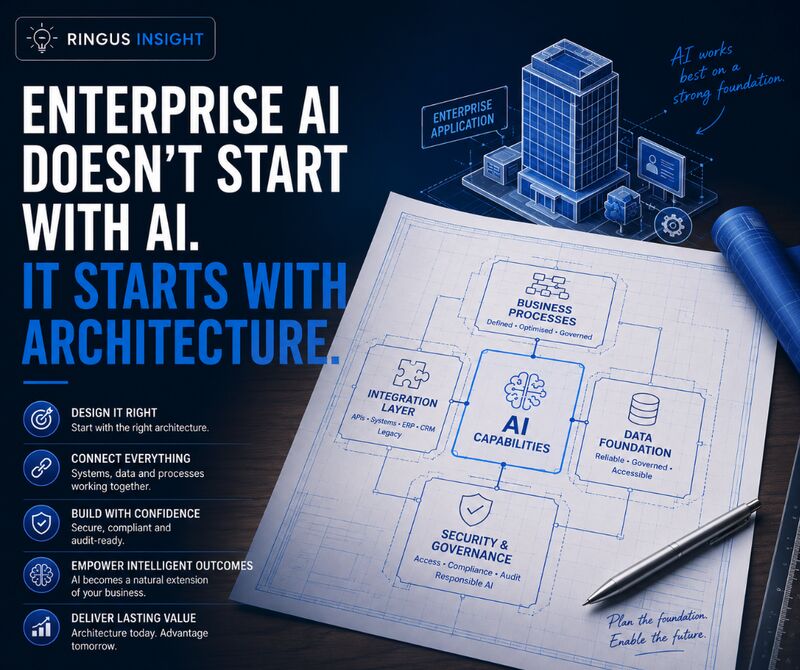
𝗛𝗼𝘄 𝗚𝗼𝗼𝗱 𝗔𝗿𝗰𝗵𝗶𝘁𝗲𝗰𝘁𝘂𝗿𝗲 𝗥𝗲𝗱𝘂𝗰𝗲𝘀 𝗧𝗲𝗰𝗵𝗻𝗶𝗰𝗮𝗹 𝗗𝗲𝗯𝘁 𝗶𝗻 𝗦𝗼𝗳𝘁𝘄𝗮𝗿𝗲 𝗣𝗿𝗼𝗷𝗲𝗰𝘁𝘀Technical debt is often an unavoidable byproduct of rapid development—but good architecture ensures it doesn’t become toxic.1️⃣ Defines Standards and Enforces ComplianceArchitecture sets clear standards for platforms, data, and security, reducing inconsistencies and redundancies. Guidelines and regular architecture reviews ensure new code complies with best practices, preventing unmaintainable implementations from entering the system.2️⃣ Manages Complexity through ModularityModular architecture, such as microservices or well-structured layers, reduces tight coupling and isolates components. This simplifies maintenance, allows teams to work independently, and makes it easier to identify and fix areas of high technical debt before they snowball.3️⃣ Enables Scalability and FlexibilityProactive architectural design anticipates future growth and changing requirements. Systems can scale, adapt to new technologies, and incorporate new functionality without extensive rewrites, minimizing long-term debt and maximizing agility.4️⃣ Improves Maintainability and Reduces RiskClear structure and documentation provide visibility into system dependencies, helping developers understand the impact of changes. Combined with CI/CD pipelines and automated testing, architecture acts as a safety net, allowing incremental improvements while controlling debt accumulation.5️⃣ Aligns Technology with Business GoalsGood architecture ensures systems support business objectives efficiently, balancing speed with quality. It enables sustainable technical choices that maximize ROI while reducing the cost of misaligned or obsolete solutions.In essence: architecture is a strategic investment that turns technical debt from a hidden risk into a manageable, predictable factor—supporting sustainable growth, maintainable code, and long-term innovation.