零日攻擊:未知的威脅及資訊安全的挑戰

在網路安全的領域中,零日攻擊(又名零差別攻擊,Zero-day attack)是一種難以防範的威脅。零日攻擊指的是攻擊者利用尚未被軟件開發者發現或修復的安全漏洞來進行攻擊,這種安全漏洞在被發現和利用之前,甚至連安全專家也不知道其存在。

零日漏洞是軟件或系統中的安全缺陷,這些缺陷未被開發者或安全專家在產品發佈前發現,從而使攻擊者有機會透過惡意軟件或代碼實施攻擊,控制目標系統,盜取數據或造成其他破壞。 

2017年的WannaCry勒索軟件事件是一個經典的零日攻擊案例。在該事件中,攻擊者利用Windows系統中的網路共享漏洞,迅速將攻擊在全球範圍內傳播,影響了包括醫院、銀行和政府機構在內的數萬個系統。該次攻擊不僅造成了巨大的經濟損失,還暴露了全球資訊安全體系中的重大漏洞。 

零日攻擊的影響範圍非常廣泛,可以針對個人用戶的系統,企業的服務器甚至是國家級的基礎設施。而由於其未知性及複雜性,此攻擊往往能夠繞過一些傳統的安全防御措施,例如防火牆和殺毒軟件等等。而一旦被成功攻擊,不僅會有可能造成龐大的經濟損失,還可能會損害企業或者機構的聲譽,嚴重時甚至可以影響到國家安全。 

雖然零日攻擊難以完全防範,但可以採取以下策略來減少被攻擊的風險:首先,軟件供應商應在發現安全漏洞後盡快推出補丁。因此,及時更新軟件和系統,保持其處於最新版本是防範攻擊的重要一步。其次,實施網路隔離和最小權限原則可以限制攻擊者在系統內的活動範圍,並確保即使系統被侵入,攻擊者也難以輕易獲取敏感資訊。再者,定期進行安全評估和滲透測試,通過模擬攻擊來檢測系統潛在的安全漏洞,以便提前發現並修復可能被零日攻擊利用的缺陷。最後,加強員工的安全意識,訓練他們識別釣魚郵件、惡意附件等常見的網路攻擊手法,可有效減少漏洞被利用的機會。

面對零日攻擊的威脅,無論是個人還是企業,都應采取多層次、多角度的防禦措施。透過持續的技術更新、系統的安全檢測和員工培訓,可以有效提高對抗零日攻擊的能力,盡可能保護重要的敏感資訊。防範零日攻擊不是一次性的任務,而是一個持續的過程。隨著技術的發展及攻擊手法的不斷進化,防範策略也應不斷調整和更新。只有通過持續的努力和投入,才能在不斷變化的網路安全威脅面前保持堅強的防線。 

尹展軒 

Senior IT Consultant

More Updates

Further reading

𝗦𝘂𝗺𝗺𝗲𝗿 𝗵𝗼𝗹𝗶𝗱𝗮𝘆𝘀 𝗮𝗿𝗲 𝗵𝗲𝗿𝗲! 𝗛𝗮𝘃𝗲 𝘆𝗼𝘂 𝗽𝗹𝗮𝗻𝗻𝗲𝗱 𝘆𝗼𝘂𝗿 𝗻𝗲𝘅𝘁 𝘁𝗿𝗶𝗽 𝘆𝗲𝘁?

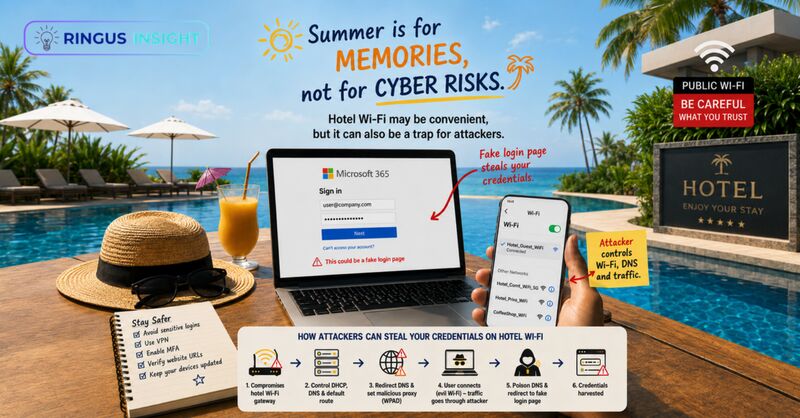
Whether you are travelling overseas, staying at a hotel, or working remotely while enjoying your vacation, there is one thing many of us rely on every day — 𝗵𝗼𝘁𝗲𝗹 𝗪𝗶-𝗙𝗶.After checking in, it is common to connect your laptop or phone to the hotel network without thinking twice. But have you ever wondered:“𝗖𝗮𝗻 𝗜 𝗿𝗲𝗮𝗹𝗹𝘆 𝘁𝗿𝘂𝘀𝘁 𝘁𝗵𝗶𝘀 𝗪𝗶-𝗙𝗶 𝗻𝗲𝘁𝘄𝗼𝗿𝗸?”Public Wi-Fi networks are convenient, but they can also become a target for attackers. A compromised hotel Wi-Fi gateway could potentially allow attackers to manipulate network traffic, redirect users to fake login pages, and steal sensitive information such as Microsoft 365 credentials.Some common risks include:🔹 Fake Wi-Fi login portals🔹 DNS redirection to malicious websites🔹 Credential harvesting through fake Microsoft 365 login pages🔹 Session hijacking attemptsA few simple steps can greatly reduce the risk:✅ Avoid accessing sensitive accounts on unknown networks✅ Use a trusted VPN when connecting through public Wi-Fi✅ Enable Multi-Factor Authentication (MFA)✅ Verify the website address before entering credentials✅ Avoid installing unexpected certificates or applications requested by public networks

𝗘𝗻𝘁𝗲𝗿𝗽𝗿𝗶𝘀𝗲 𝗔𝗜 𝗗𝗼𝗲𝘀𝗻'𝘁 𝗦𝘁𝗮𝗿𝘁 𝘄𝗶𝘁𝗵 𝗔𝗜. 𝗜𝘁 𝗦𝘁𝗮𝗿𝘁𝘀 𝘄𝗶𝘁𝗵 𝗔𝗿𝗰𝗵𝗶𝘁𝗲𝗰𝘁𝘂𝗿𝗲.

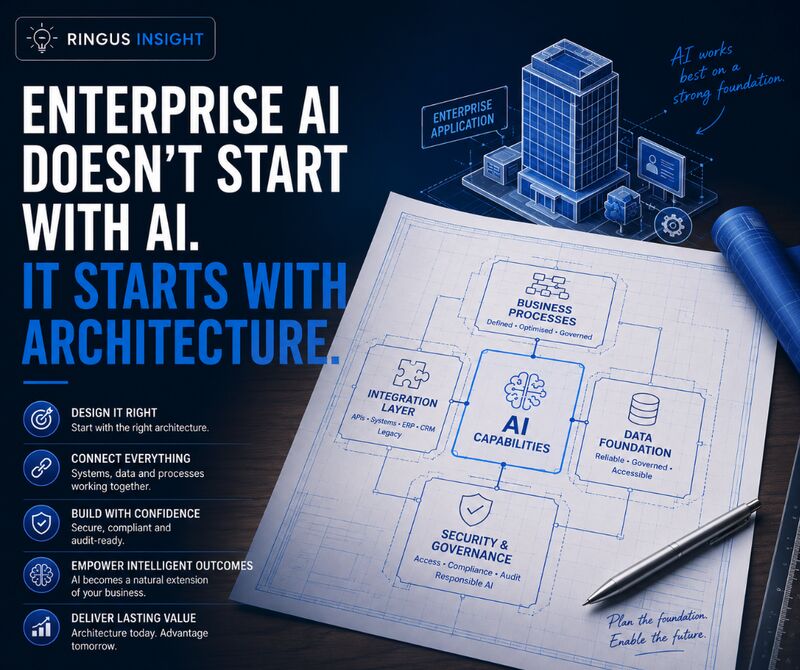
Every organisation is asking the same question today:"𝘏𝘰𝘸 𝘤𝘢𝘯 𝘸𝘦 𝘪𝘯𝘵𝘳𝘰𝘥𝘶𝘤𝘦 𝘈𝘐 𝘪𝘯𝘵𝘰 𝘰𝘶𝘳 𝘣𝘶𝘴𝘪𝘯𝘦𝘴𝘴?"But experienced solution architects often start somewhere else.They ask:"𝘐𝘴 𝘵𝘩𝘦 𝘣𝘶𝘴𝘪𝘯𝘦𝘴𝘴 𝘴𝘺𝘴𝘵𝘦𝘮 𝘥𝘦𝘴𝘪𝘨𝘯𝘦𝘥 𝘵𝘰 𝘴𝘶𝘱𝘱𝘰𝘳𝘵 𝘈𝘐 𝘧𝘳𝘰𝘮 𝘵𝘩𝘦 𝘣𝘦𝘨𝘪𝘯𝘯𝘪𝘯𝘨?"That's an important distinction.Modern enterprise platforms such as 𝗢𝘂𝘁𝗦𝘆𝘀𝘁𝗲𝗺𝘀 now make it possible to build applications, workflows, integrations and AI capabilities within a single development ecosystem.Adding AI is becoming easier than ever.Designing an application that allows AI to deliver reliable business value is the real challenge.Because AI does not work in isolation.It relies on the business systems behind it.Before AI can analyse information, automate decisions or assist users, it depends on a strong enterprise foundation:🔸 𝗖𝗹𝗲𝗮𝗿𝗹𝘆 𝗱𝗲𝗳𝗶𝗻𝗲𝗱 𝗯𝘂𝘀𝗶𝗻𝗲𝘀𝘀 𝗽𝗿𝗼𝗰𝗲𝘀𝘀𝗲𝘀🔸 𝗥𝗲𝗹𝗶𝗮𝗯𝗹𝗲 𝗮𝗻𝗱 𝗴𝗼𝘃𝗲𝗿𝗻𝗲𝗱 𝗱𝗮𝘁𝗮🔸 𝗪𝗲𝗹𝗹-𝗱𝗲𝘀𝗶𝗴𝗻𝗲𝗱 𝘀𝘆𝘀𝘁𝗲𝗺 𝗶𝗻𝘁𝗲𝗴𝗿𝗮𝘁𝗶𝗼𝗻𝘀🔸 𝗖𝗼𝗻𝘀𝗶𝘀𝘁𝗲𝗻𝘁 𝗯𝘂𝘀𝗶𝗻𝗲𝘀𝘀 𝗿𝘂𝗹𝗲𝘀🔸 𝗔𝗽𝗽𝗿𝗼𝗽𝗿𝗶𝗮𝘁𝗲 𝘀𝗲𝗰𝘂𝗿𝗶𝘁𝘆 𝗮𝗻𝗱 𝗮𝗰𝗰𝗲𝘀𝘀 𝗰𝗼𝗻𝘁𝗿𝗼𝗹𝘀These are not "AI features."They are architectural decisions.When these foundations are built into the application from Day One, AI becomes a natural extension of the business rather than an isolated feature.This is why successful enterprise AI projects don't begin with selecting an AI model.They begin with designing an application architecture that allows AI, data, workflows and enterprise systems to work together seamlessly.That's where enterprise low-code platforms like 𝗢𝘂𝘁𝗦𝘆𝘀𝘁𝗲𝗺𝘀 create long-term value.Not by simply making development faster.But by providing a platform where business applications can continuously evolve as new technologies—including AI—become part of the organisation's digital journey.Before asking:"𝘏𝘰𝘸 𝘥𝘰 𝘸𝘦 𝘢𝘥𝘥 𝘈𝘐 𝘵𝘰 𝘵𝘩𝘪𝘴 𝘢𝘱𝘱𝘭𝘪𝘤𝘢𝘵𝘪𝘰𝘯?"Perhaps the better question is:"𝘈𝘳𝘦 𝘸𝘦 𝘥𝘦𝘴𝘪𝘨𝘯𝘪𝘯𝘨 𝘢𝘯 𝘢𝘱𝘱𝘭𝘪𝘤𝘢𝘵𝘪𝘰𝘯 𝘵𝘩𝘢𝘵 𝘪𝘴 𝘳𝘦𝘢𝘥𝘺 𝘵𝘰 𝘦𝘷𝘰𝘭𝘷𝘦 𝘸𝘪𝘵𝘩 𝘈𝘐 𝘧𝘳𝘰𝘮 𝘋𝘢𝘺 𝘖𝘯𝘦?"Because successful enterprise AI isn't defined by the intelligence of the model.𝗜𝘁'𝘀 𝗲𝗻𝗮𝗯𝗹𝗲𝗱 𝗯𝘆 𝘁𝗵𝗲 𝗶𝗻𝘁𝗲𝗹𝗹𝗶𝗴𝗲𝗻𝗰𝗲 𝗼𝗳 𝘁𝗵𝗲 𝗮𝗿𝗰𝗵𝗶𝘁𝗲𝗰𝘁𝘂𝗿𝗲 𝗯𝗲𝗵𝗶𝗻𝗱 𝗶𝘁.

𝗦𝗲𝗰𝘂𝗿𝗶𝗻𝗴 𝘁𝗵𝗲 𝗖𝗹𝗼𝘂𝗱 𝘄𝗶𝘁𝗵 𝗜𝗦𝗢/𝗜𝗘𝗖 𝟮𝟳𝟬𝟬𝟭:𝟮𝟬𝟮𝟮

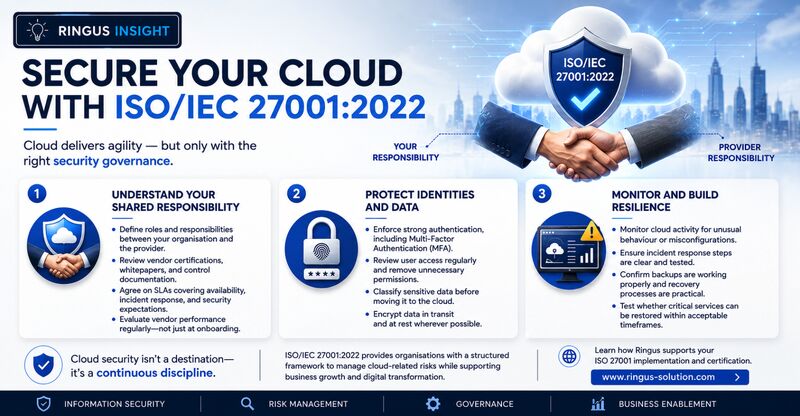
Cloud services have become the backbone of modern business, enabling organisations to operate with greater speed, flexibility, and scalability. However, moving to the cloud does 𝗻𝗼𝘁 transfer all security responsibilities to the cloud provider.Many cloud platforms operate under a 𝘀𝗵𝗮𝗿𝗲𝗱 𝗿𝗲𝘀𝗽𝗼𝗻𝘀𝗶𝗯𝗶𝗹𝗶𝘁𝘆 𝗺𝗼𝗱𝗲𝗹, where organisations remain accountable for protecting their data, identities, and cloud configurations. That's why effective cloud security requires more than selecting a trusted provider—it demands clear governance, ongoing monitoring, and practical security controls.Here are three key areas organisations should focus on when securing their cloud environments:☁️ 𝟭. 𝗨𝗻𝗱𝗲𝗿𝘀𝘁𝗮𝗻𝗱 𝗬𝗼𝘂𝗿 𝗦𝗵𝗮𝗿𝗲𝗱 𝗥𝗲𝘀𝗽𝗼𝗻𝘀𝗶𝗯𝗶𝗹𝗶𝘁𝘆A strong cloud security strategy begins with clearly defining responsibilities between your organisation and the cloud service provider.・Clearly define security roles and responsibilities between both parties.・Review the provider's security certifications, whitepapers, and control documentation.・Establish Service Level Agreements (SLAs) covering availability, incident response, and security expectations.・Regularly evaluate the provider's security performance—not just during onboarding.🔐 𝟮. 𝗣𝗿𝗼𝘁𝗲𝗰𝘁 𝗜𝗱𝗲𝗻𝘁𝗶𝘁𝗶𝗲𝘀 𝗮𝗻𝗱 𝗗𝗮𝘁𝗮Protecting access and sensitive information remains one of the most critical aspects of cloud security.・Enforce strong authentication, including Multi-Factor Authentication (MFA).・Review user access regularly and remove unnecessary permissions.・Classify sensitive data before migrating it to cloud environments.・Encrypt data both in transit and at rest wherever possible.📊 𝟯. 𝗠𝗼𝗻𝗶𝘁𝗼𝗿 𝗮𝗻𝗱 𝗕𝘂𝗶𝗹𝗱 𝗥𝗲𝘀𝗶𝗹𝗶𝗲𝗻𝗰𝗲Cloud security is an ongoing process that requires continuous visibility and preparedness.・Monitor cloud environments for unusual activities and configuration issues.・Ensure cloud-specific incident response procedures are clearly defined and tested.・Verify that backup processes are functioning correctly and can support recovery.・ Regularly test whether critical services can be restored within acceptable recovery timeframes.Cloud security is not a one-time project—it's an ongoing discipline built on 𝗰𝗹𝗲𝗮𝗿 𝗼𝘄𝗻𝗲𝗿𝘀𝗵𝗶𝗽, 𝗿𝗲𝗴𝘂𝗹𝗮𝗿 𝗿𝗲𝘃𝗶𝗲𝘄, 𝗮𝗻𝗱 𝗰𝗼𝗻𝘁𝗶𝗻𝘂𝗼𝘂𝘀 𝗶𝗺𝗽𝗿𝗼𝘃𝗲𝗺𝗲𝗻𝘁.𝗥𝗲𝗺𝗲𝗺𝗯𝗲𝗿: Moving to the cloud doesn't transfer your security responsibilities—it changes how they should be managed.ISO/IEC 27001:2022 provides organisations with a structured framework to manage cloud-related risks while supporting business growth and digital transformation.